
K-12 Program: President Marcos Jr. Directs New Education Secretary Angara to Improve theEnhanced Basic Education Act of 2013
By Louise Marasigan
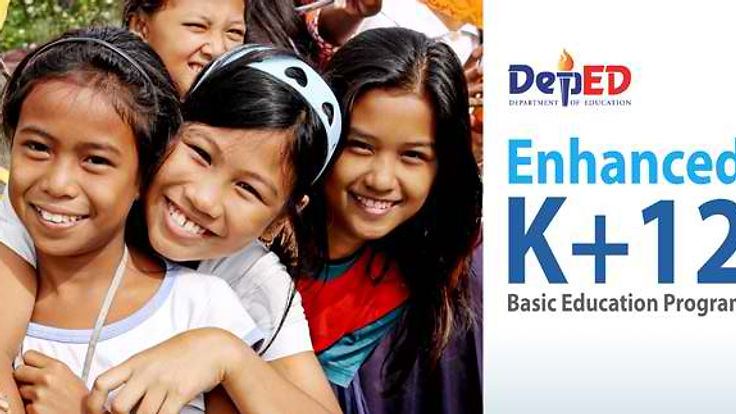
The K-12 program, also known as the Enhanced Basic Education Act of 2013, is a curricular reform for the Philippine education system. The variables “K” and “12” stand for kindergarten and the succeeding 12 years of basic education that a child will undergo. This means the K-12 reform extends the conventional 10-year basic education program, adding 2 years of Grades 11-12 or Senior High School.
Earlier in July 2024, President Ferdinand “Bongbong” Romualdez Marcos Jr. directed the newly appointed Philippine Education Secretary Sonny Angara to improve the Enhanced Basic Education Act of 2013. The move aims to improve the employability of Filipino students who graduated from the K-12 program. The announcement came after President Marcos and his administration determined that the employability rate had not improved.

K-12 Program in the Philippines
Launched in April 2012, the “K to 12 Program” received a mixture of opinions, including praises, as a symbol that the Philippines is in line with international education standards. For over a decade, various societal groups and experts have criticized the mentioned education reform. However, the Philippine government has continued to develop the program for expanded learning and students' future careers.
It can be recalled that Angara was one of the authors of the K-12 Program during its legislation. Angara was sworn as the country’s secretary for the Department of Education (DepEd) after Vice President Sara Duterte resigned from the same position in June 2024. Being the new education chief, Marcos issued several tasks to Angara, including teaching Philippine history to Filipino students.

What Does K-12 Offer?
According to DepEd, the K-12 program offers the same curriculum taught to students in the Philippines with the addition of the following core subjects under Senior High School:
- Academic – ABM, HUMSS, STEM, General Academic, Pre-Baccalaureate Maritime
- Technical/Vocational/Livelihood – Agri-Fishery, Home Economics, ICT, Industrial Arts, TVL Maritime
- Sports
- Arts and Design
Stay in the loop