What are the Differences Between Homeschooling and Traditional Schooling?
By Louise Marasigan
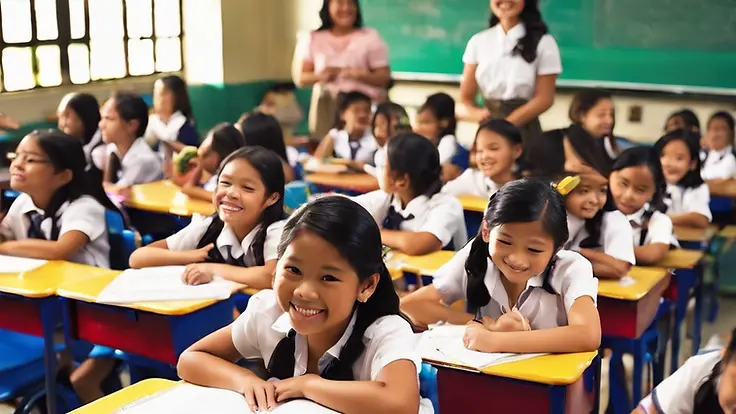
Some students can finish their education in other ways besides attending classes physically. Read here to learn more.
Education comes in many forms where different methods can be applied to instill learning and knowledge in students. Conventionally, traditional schooling has become a common practice worldwide. In the Philippines, it has been a popular form of education where students in primary, secondary, and tertiary levels, are required to attend classes physically and on time under implemented rules.
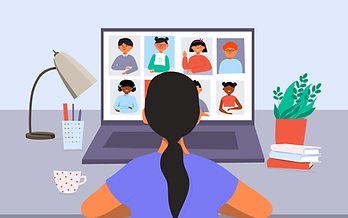
However, another form of education has gained momentum and popularity over the past several decades: homeschooling. By definition, this method of education takes place within the confines of a student’s home, where his/her family serves as the teacher. Unlike traditional schooling, homeschooling focuses on individualized
Traditional Schooling
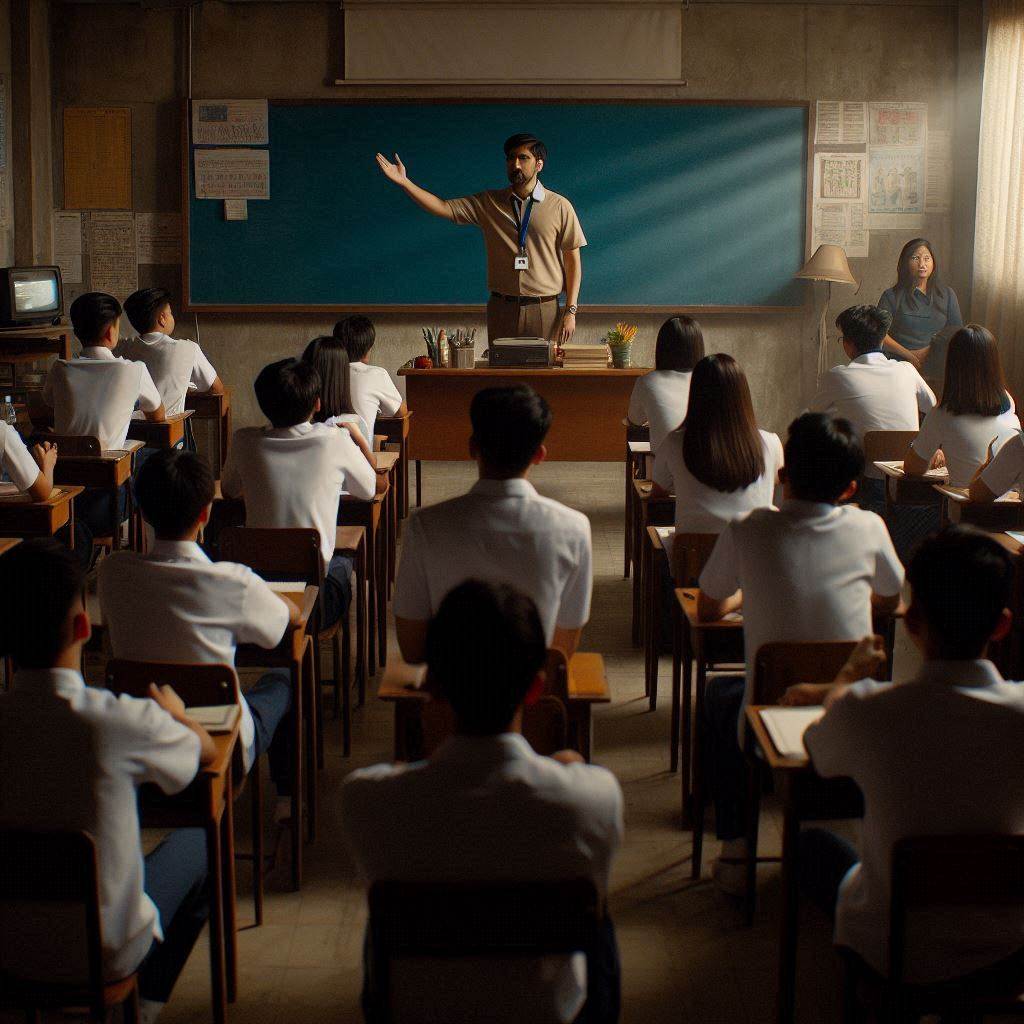
Traditional schooling is a type of formal education implemented both in public and private schools. It extends beyond the confines of the home. In this type of formal schooling, students learn a fixed set of curriculums provided by the educational institution they are in or by a government education authority, such as in the case of public schools in the Philippines. However, the curricula can also change for each academic year.
Last year, the Department of Education (DepEd) reported that more than 21 million students across the Philippines were enrolled during the school year 2023-2024. The figure is distributed across public kindergarten, elementary, and high school levels, as cited by the Philippine Star, adding that more students are going to public schools due to economic reasons following the COVID-19 pandemic.
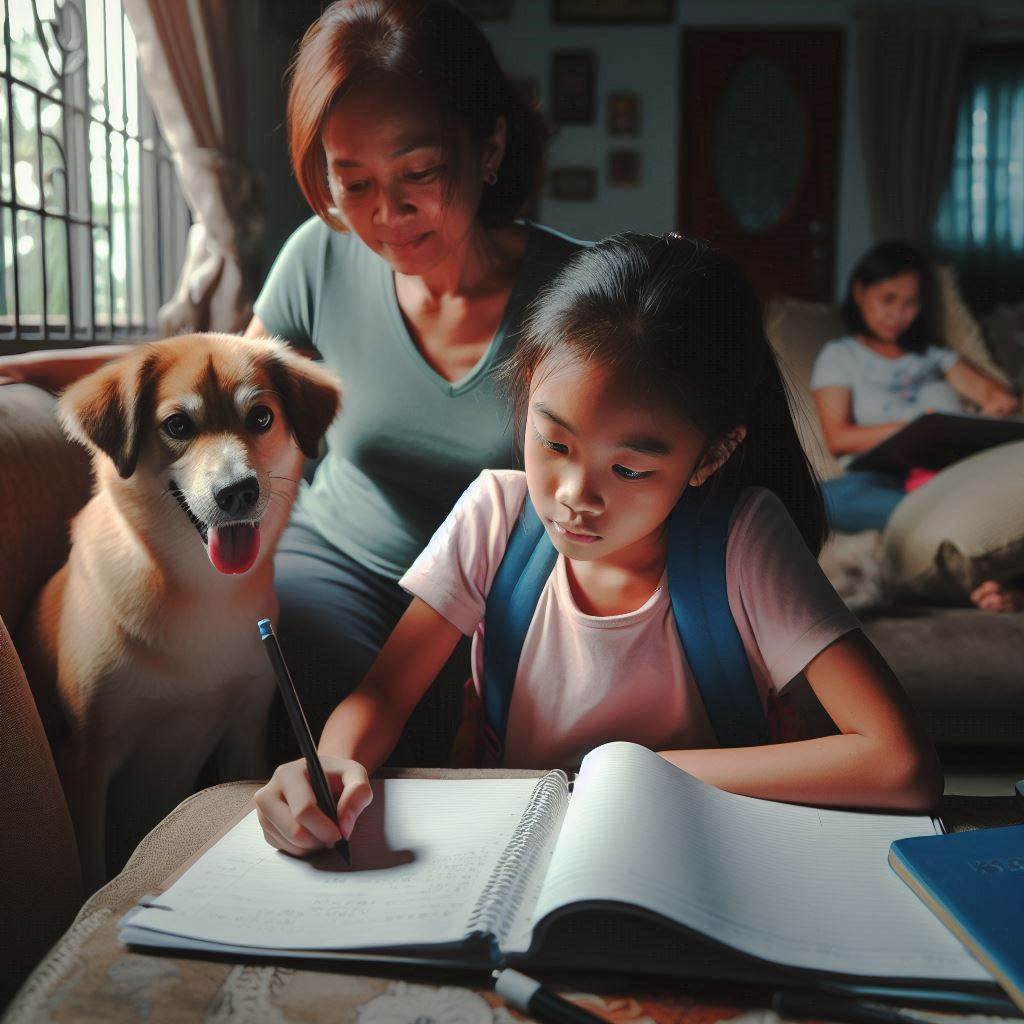
Homeschooling
Over the years, there has been a debate as to which of the two methods is better. Despite their differences, various data show that the efficiency of each form of education varies depending on the needs, cognitive capacity, and socio-economic circumstances. According to experts, the most crucial gap between the two is the degree of a child’s social exposure and social interaction, which are lacking for homeschooling.
In 2022, DepEd announced strengthening the agency’s Homeschooling Program, which was introduced in 1997. Under the program, any public or private school can offer home education to a learner, who cannot attend traditional schooling due to medical reasons or family circumstances.
Stay in the loop